Breathing for anxious moments
Breathing exercises for anxiety and stress
Breathe in through your nose, sip in a little more air on top, then let it all out slowly through your mouth. That's cyclic sighing: two breaths in, one long breath out, no holds. In a 2023 study, five minutes a day of it improved mood more than mindfulness meditation. The orb runs it.
- 5 minutes a day
- No holds
- Anywhere, eyes open
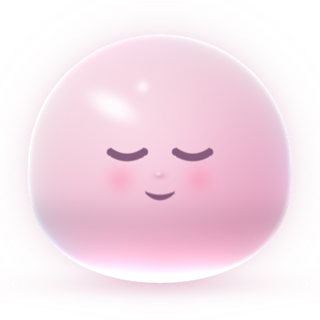
Notice your shoulders, your jaw, your breath. In Ephling a calm voice keeps the count and a soft pulse marks each change, so you can do this with your eyes closed, in the dark.
Coming soon to the App StoreIn short
- Cyclic sighing: in through the nose, a short sip more, a long slow breath out through the mouth. 5 minutes.
- For a quick reset: the physiological sigh, the same breath done just 2–3 times.
- Avoid long breath holds when anxious; keep the breath out longer than the breath in.
How to do it
Sit or stand, let your shoulders drop. Keep your eyes open if closing them feels uneasy.
- Cyclic sighing (5 min)In through the nose, then sip in a little more on top, then a long, slow breath out through the mouth. Repeat for five minutes.
- Physiological sigh (30 s)The same double breath in and long breath out, just two or three times. Useful in the middle of a stressful moment.
- Belly breathingOne hand on your belly. Breathe in for 4 so the belly rises, out for 6. Full guide.
- 7-11Count to 7 on the way in and to 11 on the way out, counting fast. Counting gives your mind something to hold on to.
Cyclic SighingFree5 min · free · or tap “Stressed” on the home screenSoonFor anxious stretches there's also “Soften Anxiety”, 14 days of slow, hold-free breathing (Premium).
Why the breath out matters
When we're anxious we tend to breathe fast and high in the chest. A longer, slower breath out is the simplest way to steer the other way, and counting it gives racing thoughts something small to follow.
Long breath holds can feel like the opposite of calm when you're anxious, so the techniques here have none.
When you feel short of breath
Anxiety can make you feel you can't get a full breath. If that's what you feel, read can't get a full breath? first: it starts with when to get help, then shows a gentler way to breathe.
How it compares
| Technique | Rhythm | Best moment | In Ephling |
|---|---|---|---|
| 4-7-8 | 4 in · 7 hold · 8 out | In bed, winding down | Premium |
| Box breathing | 4 · 4 · 4 · 4 | Before a big moment, to focus | Premium |
| Long exhale | 4 in · 7 out | Any time; no hold | Free |
| Cyclic sighing | 2 in + a sip · long out | Stressed, tense, on edge | Free |
| Belly breathing | 4 in · 6 out, into the belly | The base for every technique | Free |
| Physiological sigh | 2 in + a sip · long out, ×3 | A 30-second reset | Free |
| Alternate nostril | 4 in · 6 out, side to side | To gather your attention | Premium |
| Resonance breathing | 4.5 in · 5.5 out | Daily practice, 5 minutes | Free |
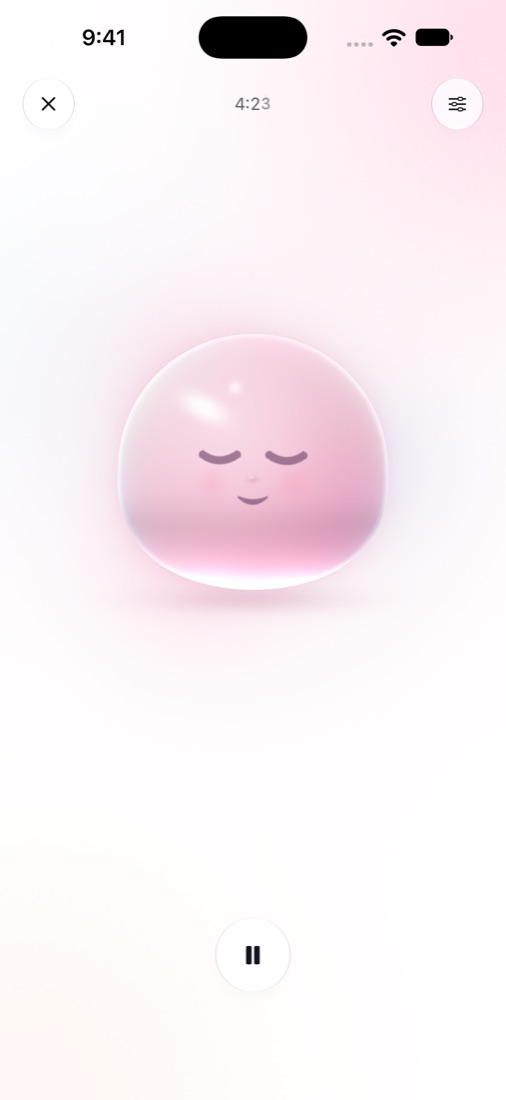
In the app
What Ephling adds
What the research says
Evidence: Strong
In a month-long Stanford study (Balban et al., 2023), five minutes a day of cyclic sighing improved mood and lowered breathing rate more than mindfulness meditation. A broader review links slow breathing with more relaxation and less arousal.
Strong: several controlled studies point the same way.
- Balban MY et al. Brief structured respiration practices enhance mood and reduce physiological arousal. Cell Rep Med. 2023;4(1):100895.
- Zaccaro A et al. How breath-control can change your life: a systematic review on psycho-physiological correlates of slow breathing. Front Hum Neurosci. 2018;12:353.
Before you start
These exercises can help you feel calmer in the moment; they don't treat anxiety disorders or panic disorder. If anxiety is getting in the way of your life, talk to a doctor or a mental-health professional. If you're in crisis, call your local emergency number.
Ephling is a wellness app, not a medical device.
Questions people ask
What is the best breathing exercise for anxiety?
Slow breathing with a longer breath out and no long holds suits most people. Cyclic sighing (two breaths in, one long breath out) did best in a 2023 study of five minutes a day.
What is cyclic sighing?
Breathing in through the nose, taking a short extra sip of air on top, then breathing out slowly through the mouth, repeated for about five minutes.
What is the physiological sigh?
The same double inhale and long exhale done just two or three times, as a quick reset in the middle of a stressful moment.
Can breathing exercises stop a panic attack?
They can help some people ride out the feeling, but they aren't a treatment for panic disorder. If you have panic attacks, talk to a doctor. Chest pain or trouble breathing needs medical help.
How often should I do breathing exercises for stress?
A few minutes every day, plus whenever you need it. Daily practice made the difference in the 2023 study.
Need something else?
Five minutes, a calm voice, no holds
Tap how you feel (stressed, anxious, on edge) and Ephling picks a short, slow session. Your guide counts, the orb breathes with you, a soft pulse leads with your eyes closed.
Coming soon to the App Store